
Guest Post contributed by Ghan Amgain of Himalayan Partner
If you’re planning to hike the Manaslu Circuit Trek in Nepal and looking for valuable information to help you plan and prepare then you’ve come to the right place! In this post we will go over everything you need to know about the Manaslu Circuit Trek so you’ll have the best possible time hiking through the beautiful mountains in Nepal!
- Highlights of the 13-Day Manaslu Circuit Trek
- Overview of Manaslu Circuit Trek
- Quick Facts of Manaslu Circuit Trek
- Why should you choose the Manaslu Circuit Trek?
- Manaslu Circuit Trek Itinerary
- Best Time for Manaslu Circuit Trek
- Foods and Accommodations during Manaslu Circuit Trek
- Trek Difficulty and Preparation for Manaslu Circuit Trek
- Altitude Sickness During the Manaslu Circuit Trek
- How to Stay Safe from Altitude Sickness in the Manaslu Circuit Trek
- Packing list for Manaslu Circuit Trek
- Extras Tips for the Manaslu Circuit Trek
- Conclusion
Highlights of the 13-Day Manaslu Circuit Trek
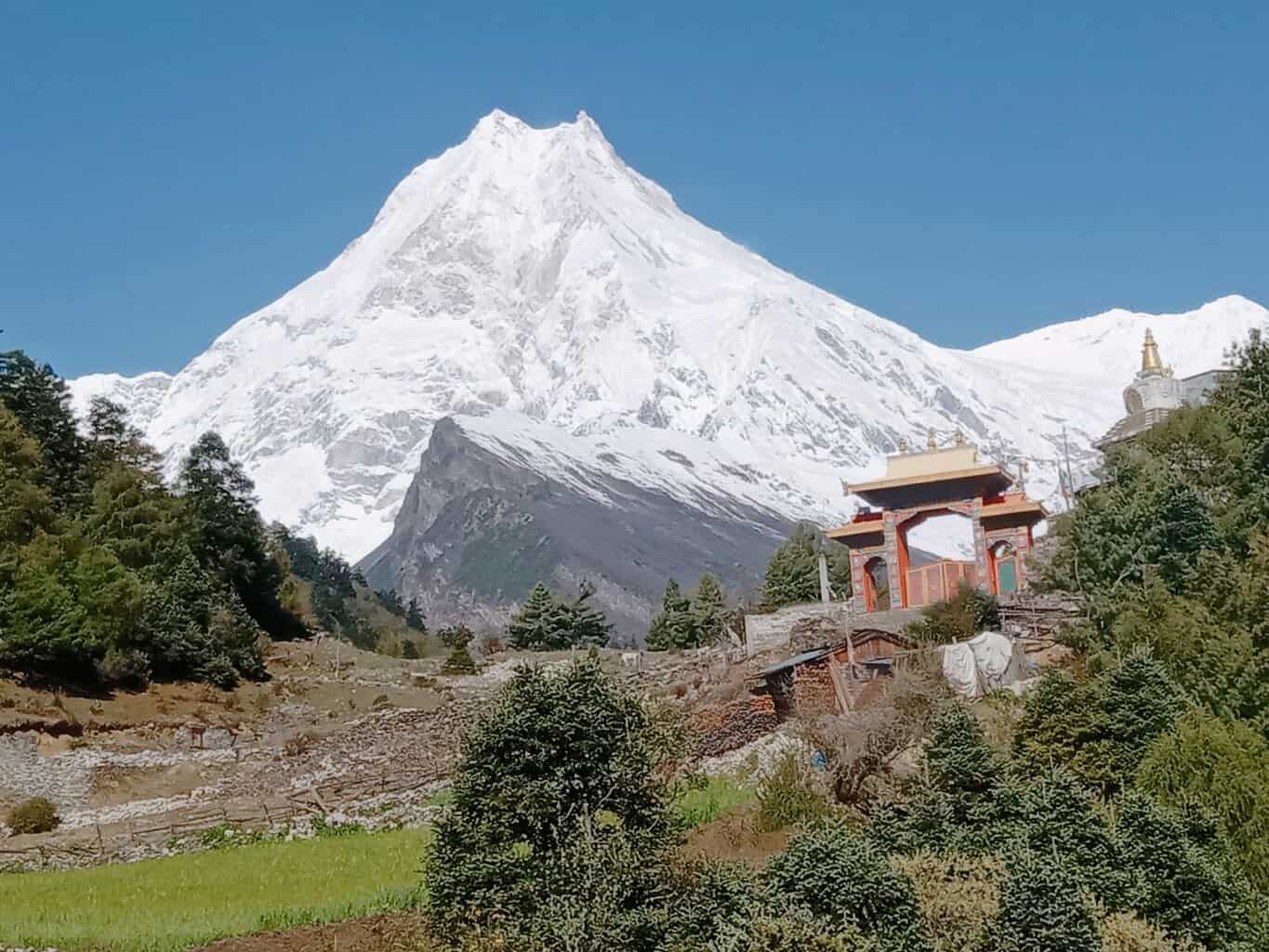
- Trek near Mount Manaslu, the World’s 8th tallest Peak.
- Take an exhilarating drive from Kathmandu to Machha Khola through rivers and green hills.
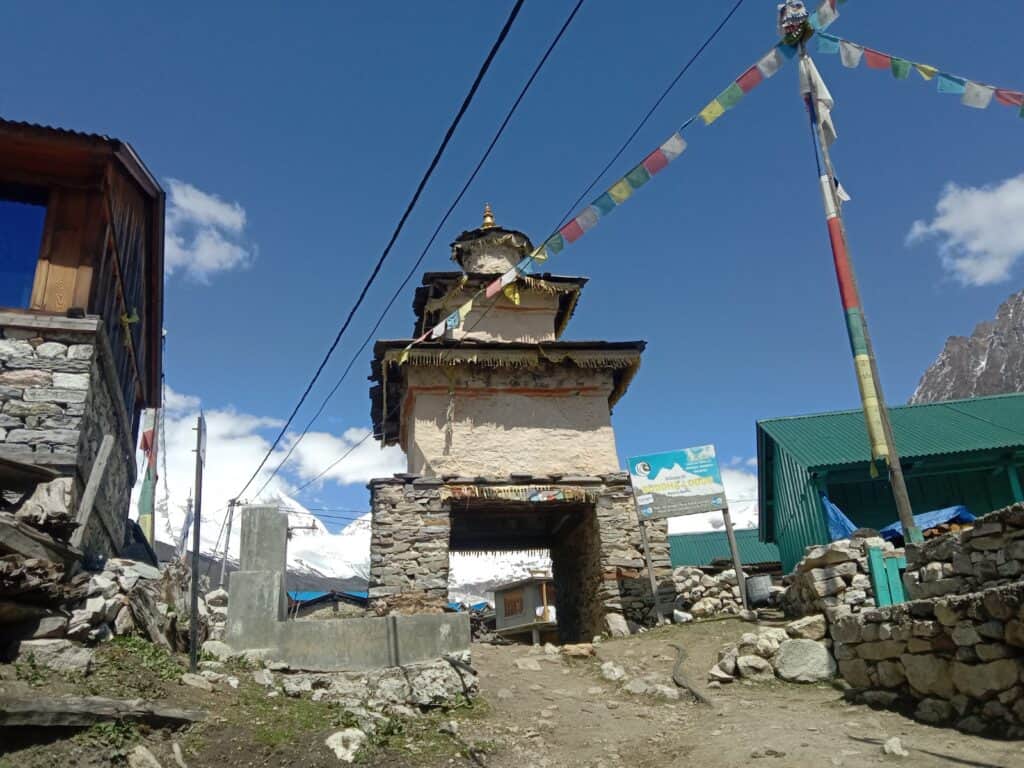
- Visit Tibetan Villages, monasteries, and prayer flags, experiencing Nepalese culture while you trek.
- Visit remote and less crowded trails of Nepal away from the commercial treks.
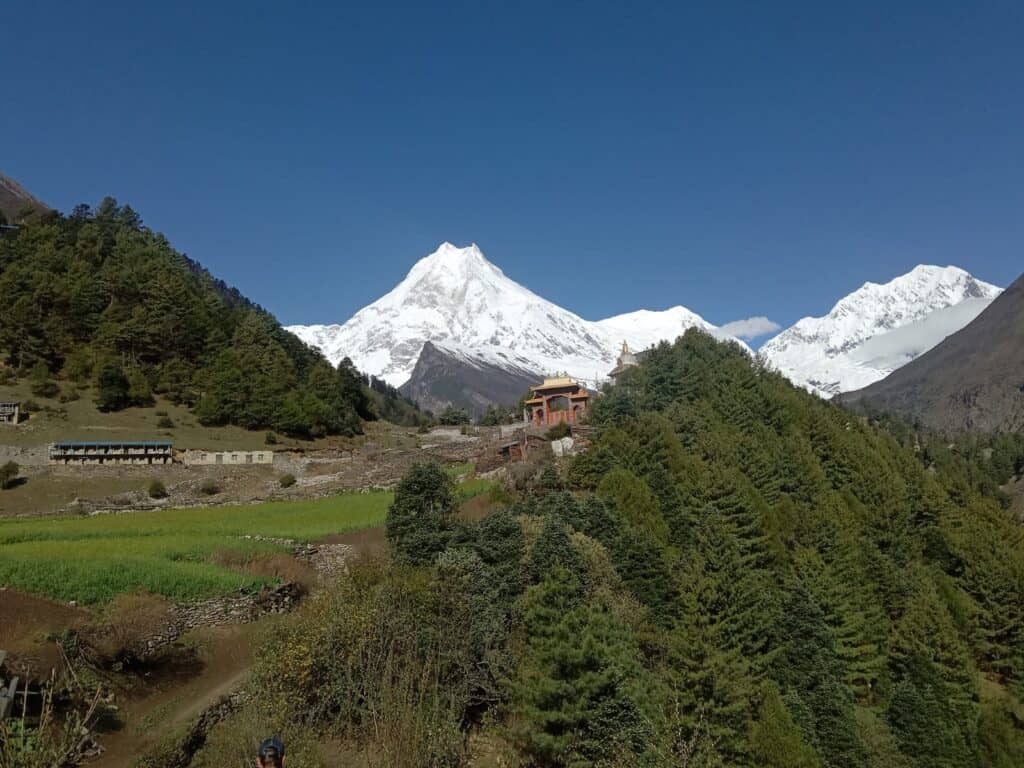
- See panoramic views of giants in the Himalayas like Manaslu, Annapurna II, and Lumjung Himal.
- Cross Larkya La Pass, which is one of Nepal’s most beautiful high passes and has stunning views of the Himalayas.
- This trek will take you through Manaslu Conservation Area and you can see Himalayan wildlife like blue sheep and snow leopards.
- Stay in traditional mountain lodges where they serve delicious, fresh Dal, Bhat, and other Nepalese cuisine.
- Get a taste of traditional Nepali life.
Overview of Manaslu Circuit Trek
The Manaslu Circuit Trek provides one of the most beautiful, uncrowded trekking experiences in Nepal. As you trek in and around Mount Manaslu (8,163m), the world’s eighth highest mountain, you will be rewarded with incredibly stunning and beautiful scenery of the Himalayan region combined with a very cultural experience, all framed by adventure.

Unlike the Everest Base Camp trek or the Annapurna Base Camp trek, the Manaslu trek is far less crowded. It’s truly an untouched and authentic experience, allowing you the opportunity to walk through magnificent mountains and local villages. You’ll trek through some less-trafficked areas, cross magnificent suspension bridges, and meet new people in traditional Nepali teahouses. Each day, you’ll feel more connected to everything the Himalayas has to offer.
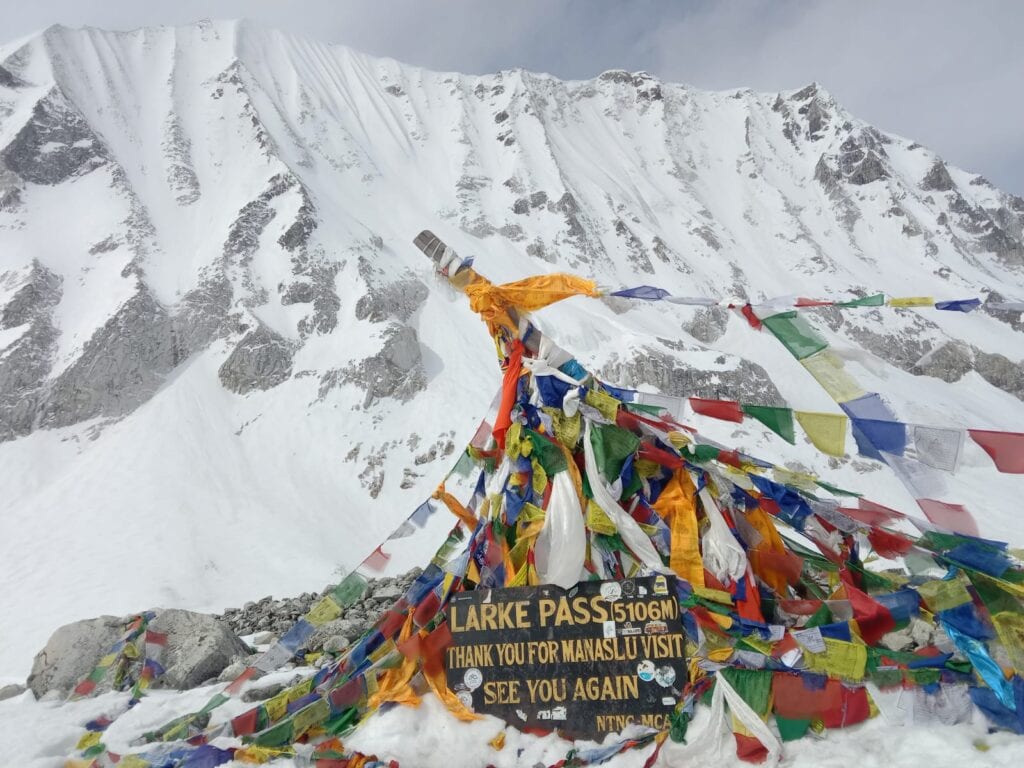
The highlight of the trek is Larkya La Pass at 5,106m, which provides you access to stunning peaks like Himalchuli, Annapurna, and Ganesh Himal. Climbing to the pass is challanging, but definitely worth it.
You will require a special Restricted Area Permit (RAP) to trek the Manaslu Circuit along with an MCAP and ACAP, and as this trek is a restricted area, you will be required to have a licensed guide. Having a licensed guide will increase your safety and enjoyment of the trek.
The best time to complete the Manaslu Circuit Trek is not in the summer, as you might expect. You can either do it in spring or autumn, when the possibility of monsoon rain is less and there are more vibrant colors.
Quick Facts of Manaslu Circuit Trek
- Trek Duration: 13 Days
- Maximum Altitude: 5,160 m (16,925 ft at Larkya La Pass)
- Trek Grade: Moderate
- Best Season: Spring & Autumn
- Accommodation: Teahouses / Lodges
- Meals: Breakfast, Lunch & Dinner during the trek
- Trekking Region: Manaslu Region, Nepal
- Starting: Machha Khola (after driving from Kathmandu)
- Ending Point: Dharapani (before driving to Kathmandu)
- Permits required: Manaslu Restricted Area Permit (RAP), Manaslu Conservation Area Permit (MCAP), Annapurna Conservation Area Permit (ACAP)
- Transportation: Private Jeep/Bus
- Major Highlight: Crossing Larkya La Pass, authentic villages, and untouched culture.
Why should you choose the Manaslu Circuit Trek?
If you’re looking for the untouched trek in Nepal, the Manaslu Circuit Trek 13 Days should be on your list of things to do. Here are some reasons why you should choose the Manaslu Circuit trek over the more famous treks in the Himalayas.
- Authentic Himalayan Trekking: Unlike the popular Everest Base Camp trek or Annapurna Circuit trek, Manaslu is a less commercialized, exclusive, and less crowded trek that allows you to appreciate the remoteness of trekking in Nepal.
- Scenery and Panoramic Views: You’ll trek through lush forest, high alpine pastures, and snowy mountain trails ending at the stunning Larkya La Pass at 5,160m with the views of Mount Manaslu, Himalchuli, Ganesh Himal, and Annapurna ranges.
- Cultural Experiences: You’ll pass through the local villages, which are influenced by Tibetan culture, and discover ancient monasteries and very welcoming locals. You’ll enjoy a traditional Nepali teahouse stay, complete with local food and the authentic and genuine culture of the Manaslu region.
- Best for Adventure and Nature Lovers: This trek is perfect for the traveler who enjoys the adventure of isolated trekking and those who love an untouched trekking route.
- Off-the-beaten-path trekking: Since Manaslu is a restricted area in Nepal, this trek has less trekkers, so it gives you a peaceful trekking experience.
- Comprehensive & Safe Itinerary: This 13-day itinerary balances acclimatization, adventure, and cultural exploration, making it perfect for first-time and recreational trekkers.
Manaslu Circuit Trek Itinerary
Day 1: Drive from Kathmandu to Machha Khola (930 m / 3,051ft)
- Transportation hours: 9 hours
- Accommodation: Tea House in Macha Khola
- Driving Distance: 160 km / 99 miles
- Highlights: Scenic drive through rivers, terraced fields, and hillside villages.
Day 2: Trek from Machha Khola to Jagat (1,340 m / 4,396 ft)
- Trekking time: 6-7 hours
- Accommodation: Tea House in Jagat
- Trekking Distance: 14 km / 8.6 miles
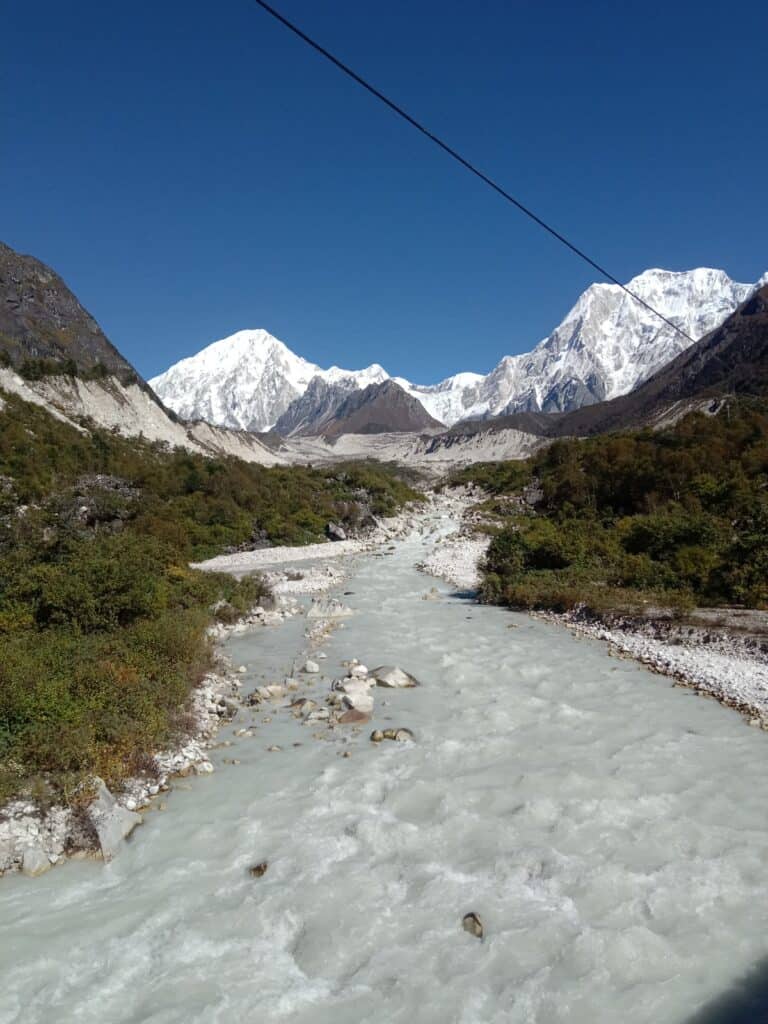
- Highlights: Walk along the Budhi Gandaki River, cross suspension bridges, and enter Jagat’s restricted Manaslu Conservation Area.
Day 3: Trek from Jagat to Dyang (1,804 m / 5,918 ft)
- Trekking Time: 5 to 6 hours
- Accommodation: Tea House in Dyang
- Trek Distance: 19.9 km / 12.3 miles
- Highlights: Traditional Gurung and Tamang villages, waterfalls, and stunning views of Srinbgi Himal.
Day 4: Trek from Dyang to Namrung (2,630 m / 8,628 ft)
- Trekking Time: 5 to 6 hours
- Accommodation: Tea house in Namrung
- Trekking Distance: 20 km / 12 miles
- Highlights: Lush rhododendron and pine forests, Buddhist mani walls, and first glimpses of Manaslu North.
Day 5: Trek from Namrung village to Shyala (3,575 m / 11,730 ft)
- Trekking time: 6 hours
- Accommodation: Tea house in Shyala
- Trekking Distance: 10 km / 6 miles
- Highlights: Stunning mountains like Manaslu, Himalchuli, and Ganesh Himal are seen. Visit Lho village with its beautiful monastery.
Day 6: Trek from Shyala to Samagaun via Pungyen Monastery (3.530 m / 11,581 ft)
- Trekking time: 3-4 hours
- Accommodation: Tea House in Samagaun
- Trekking Distance: 9 km / 5 miles
- Highlights: Explore Pungyen Gumba, walk through yak pastures, and enjoy close-up views of Manaslu Glacier.
Day 7: Acclimatization Day and Hike to Manaslu Base Camp (4,800 m / 15,748 ft) or Pungyen Gompa (4,000 m / 13,123 ft)
- Trekking time: 7 hours
- Accommodation: Tea House in Samagaun
- Trekking Distance: 11 km / 6 miles
- Highlights: Acclimatization Hike for altitude adjustment, beautiful views of Manaslu, and cultural exploration of Samangaun village.
Day 8: Trek from Samagaun to Samdo (3,865 m / 12,680 ft)
- Trekking time: 2 to 3 hours
- Accommodation: Tea House in Samdo
- Trekking Distance: 5.7 km / 3.7 miles
- Highlights: Short and easy trek with stunning landscapes, Tibetan village exploration, and mountain yak grazing along the trail.
Day 9: Acclimatization Day and Day Trip to Tibet Border (5,000 m / 16,400 ft)
- Trekking time: 8 Hours
- Accommodation: Tea House in Samdo
- Trekking Distance: 12 km / 7 miles
- Highlights: Side hike to the Tibetan border for Himalayan views, yak caravans, and authentic Himalayan culture.
Day 10: Trek from Samdo to Dharmasala (4,460 m / 14,632 ft)
- Trekking time: 3 Hours
- Accommodation: Tea House in Dharamsala
- Trekking Distance: 3 km / 2 mile
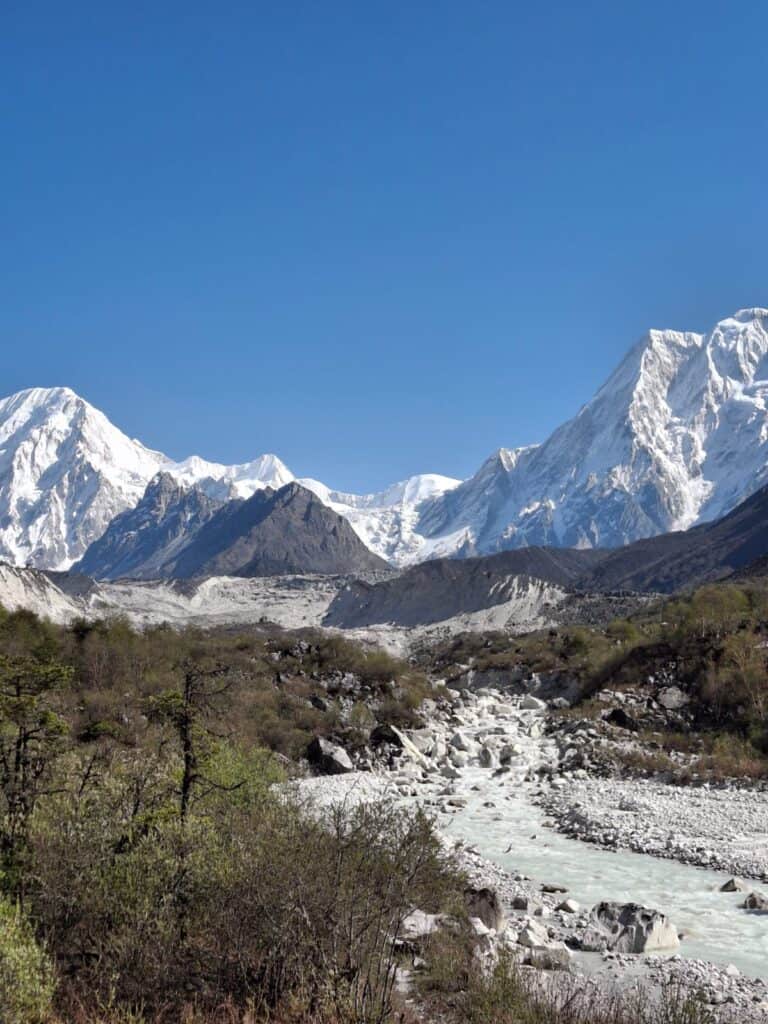
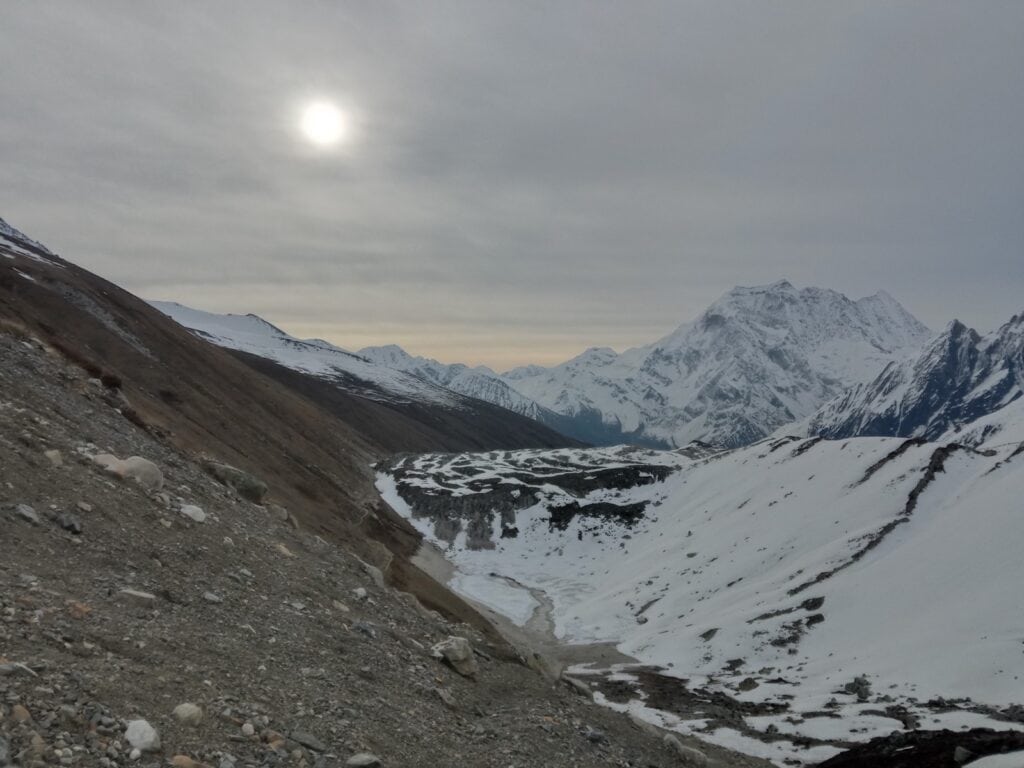
- Highlights: Gradual climb with stunning views of the Larkya Glacier and preparation for the high pass crossing.
Day 11: Trek from Dharmasala to Bimthang via Larkya Pass (3,590 m / 11,778 ft)
- Trekking time: 10 Hours
- Accommodation in Bimthang
- Trekking Distance: 18 km / 11 miles
- Highlights: Best day of the trek – cross the challenging Larkya La Pass, enjoy the panoramic views of Manaslu, Annapurna II, Himlung Himal, and descend into the scenic valley of Bimthang.
Day 12: Trek from Bimthang to Dharapani (1,860 m / 6,102 ft)
- Trekking Time: 7 hours
- Accommodation: Tea House
- Trekking Distance: 21km / 13 miles
- Highlights: Walk through lush forests of pine and rhododendrons, beautiful meadows, and cross into the Annapurna Circuit trail.
Day 13: Drive from Dharapani to Kathmandu or Pokhara (1,300 m / 4,265 ft)
- Transportation Hours: 12 hours
- Distance: 243 km / 143 miles
- Highlights: Drive back to Kathmandu or Pokhara through mountain roads, terraced hillsides, and rivers.
Best Time for Manaslu Circuit Trek
The Manaslu Circuit Trek 13 Days is best enjoyed during Spring (March to May) and Autumn (September to November), when the weather is most favorable for trekking. In spring, the trails are filled with blooming rhododendrons, green valleys, and vibrant landscapes. Autumn provides clear skies, crisp mountain air, and panoramic Himalayan views, making it perfect for photography and adventure enthusiasts.
These seasons are ideal for most of the trekking in Nepal, including the Larkya La Pass adventure where trekkers can experience the true remote trekking experience without the crowds of Everest or Annapurna.
Monsoon season (June to August) is not recommended due to slippery trails and landslide risks, while winter (December to February) brings cold and snow at higher altitudes. But if you are a wild and experienced trekker, then winter season is possible since some of the best views are seen in the total whiteout of winter.
Choosing the right season ensures a safe, cultural, and adventurous Himalayan journey, with maximum visibility of the majestic peaks in the region alogn with a truly authentic Manaslu region trekking experience.
Foods and Accommodations during Manaslu Circuit Trek
Food and Accommodation options over the 13 days of the Manaslu Circuit Trek are simple, warm, and authentic. The majority of your nights will be spent in teahouses or in a cozy mountain lodge family-run business that welcomes trekkers as friends. Do not expect luxurious hotels, as this is Nepal trekking life.
You will start your day with a hot breakfast of meals such as porridge, eggs, or local bread. Your lunch will be made up mainly of varieties of Dal Bhat (rice and lentils), momos, noodles, and local vegetables. Dal Bhat is the most typical trekking meal in Nepal as it consists of high-energy, can be digested quickly and help you stay fueled.
Dinner will be wholesome and filling, mostly consisting of soups, lentils, rice, and potentially Tibetan-inspired dishes. Again, the food is simple but will leave you full and provide you with a true Nepali mountain experience. Being so high in the Himalayas, most food is vegetarian due to freshness concerns with meat, since all supplies are carried by porters or yaks to the teahouses.
The accommodation is basic yet comfortable. You will have shared or private rooms with simple bedding and warm blankets that provide you with a good place to sleep and rest after a long trek day. Many teahouses have small common areas so you can chat with other trekkers, trade stories, and soak in a unique Himalayan experience.
Trek Difficulty and Preparation for Manaslu Circuit Trek
The Manaslu Circuit Trek 13 Days is considered moderate to challenging. You don’t have to be An accomplished mountaineer, but you need to be prepared for some serious walking. You will be trekking 5 to 7 hours a day. Sometimes there will be steep walking trails, rocky paths, and high passes (such as Larkya La Pass 5,160 m). The altitude, changing weather, and long days make preparation essential.
Tips for Preparation:
- Start your training early: Focus on cardio like jogging, stair climbing, or hiking with a heavy backpack will help you prepare.
- Strengthen your legs and core: Squats, lunges, and core exercises will help you with those long uphill climbs.
- Acclimatization: Our 13-day itinerary is designed for safe altitude gain, but listen to your body.
- Practice hiking: Go on short weekend treks with your loaded backpack.
- Think about the mental aspect: Trekking Manaslu is as much a mental exercise as a physical one. You will have long days, cold nights, and beautiful (challenging) trek routes. So, it is important to stay positive and patient.
Altitude Sickness During the Manaslu Circuit Trek
One of the biggest challenges on the Manaslu Circuit Trek is the Altitude. The trail takes you above 5,160m at Larkya La Pass. And here is where the risk of Altitude Mountain Sickness kicks.
As you climb higher, the air gets thinner. Less oxygen means your body needs to work harder. Some trekkers feel fine, but some may feel the symptoms of Acute Mountain Sickness (AMS). The symptoms may be headaches, nausea, dizziness, or trouble sleeping. This is nothing to panic about if you listen to your body but ignoring the symptoms can turn serious.
How to Stay Safe from Altitude Sickness in the Manaslu Circuit Trek
- Don’t rush, walk slowly and let your body adjust to the thin air.
- Acclimatize properly and follow the 13-days Manaslu trek itinerary, rest day are not for rushing.
- Drink at least 3-4 liters of water daily.
- Eat simple, light and warm meals like rice, soups, and garlic-based foods.
- Avoid alcohol and smoking because they slow down your body’s adjustment process and increase AMS risks.
- Sleep well because rest helps your body to recover each day.
- Consult your doctor and carry medicines like Diamox before your trek.
- Don’t ignore the symptoms of AMS and if it gets worse, descend immediately to lower elevations.
Packing list for Manaslu Circuit Trek
Packing smart makes the 13 Days Manaslu Circuit Trek more comfortable and safer. The trail takes you from valleys to snowy mountains, so layering is the most essential thing.
Clothing
- Moisture-wicking base layers
- Fleece or light down jacket
- Waterproof/windproof jacket
- Trekking pants + thermal pants
- Warm hat, gloves, and trekking boots
Trekking Gear
- 40–50L backpack with rain cover
- Sleeping bag
- Trekking poles & headlamp
- Water bottles + purification tablets
Personal Items
- Sunscreen, lip balm, moisturizer
- Toiletries & quick-dry towel
- First-aid kit and Diamox
- Snacks for energy
Extras
- Power bank, camera/phone
- Passport, permits & insurance
- Cash because there are no ATMs on the trail
Extras Tips for the Manaslu Circuit Trek
The Manaslu Circuit Trek 13 Days is an exciting adventure, but other small tricks can your journey even smoother:
- Start training early with light cardio, stair climbing, and hiking practice.
- Don’t forget your permits. You’ll need a Manaslu Restricted Area Permit (RAP), MCAP, and ACAP.
- ATMs are not available during the trek, so carry enough cash.
- Learn a few Nepali words like Namaste or Dhanyabad, so that it is easy for you to get connected with locals.
- The Manaslu region is deeply spiritual, so respect local culture, dress modestly, and walk clockwise around monasteries.
- Always have travel insurance while trekking in Nepal.
- Start walking early because the weather is clear in the mornings, with fewer clouds and better views.
Conclusion
The Manaslu Circuit Trek 13 Days is not just a trek. It’s a journey into the Himalayas, away from crowds and deep into Nepali culture. Whether you’re a seasoned trekker or a beginner, this trek challenges your body and rewards your soul. With proper preparation, acclimatization, and sense of adventure, the Manaslu Circuit promises unforgettable memories and a true taste of the Himalayan life of Nepal. So, lace up your boots, backpack, and get ready to explore one of the Nepal’s most breathtaking and less-traveled trekking routes.
